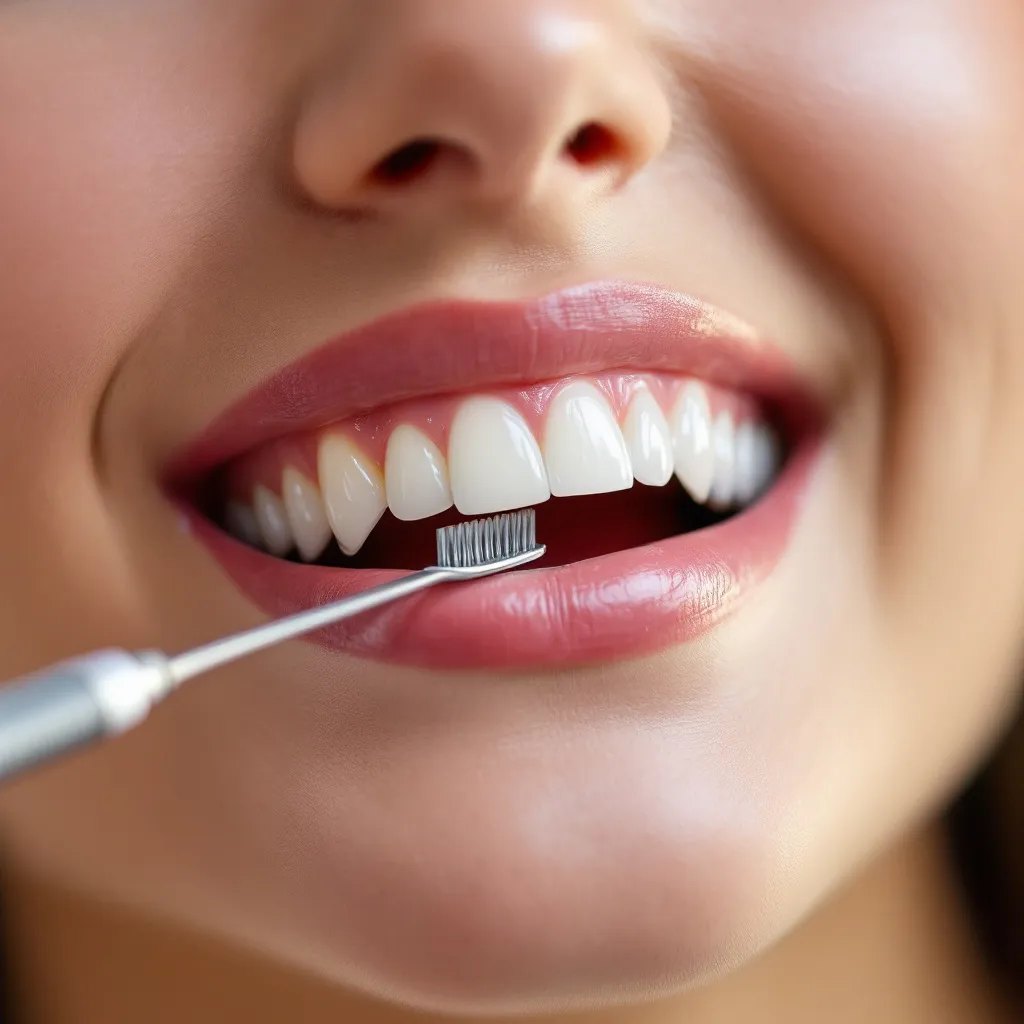
Professional teeth whitening in Boise typically costs between about $350 and $700 for an in-office session, while dentist-supplied take-home trays generally run $200 to $450. Over-the-counter strips and kits sit well below that, usually $30 to $100, though results are more modest. Final pricing depends on the method, the starting shade of your teeth, and whether any dental work is needed first. These figures are general ranges rather than quotes, so the most reliable number will come from an exam and a written estimate at the practice you choose.
Boise pricing tends to land near the national middle, a little below the rates seen in larger coastal cities. In-office whitening, where a dental professional applies a high-concentration peroxide gel and sometimes uses a light or heat-assisted process, commonly costs $350 to $700 for a single visit of roughly 60 to 90 minutes. Some offices bundle the visit with a take-home kit, which can raise the total but lowers the cost of later maintenance.
Take-home whitening from a dentist is the other major professional option. It involves custom-fitted trays made from impressions or digital scans, plus professional-strength gel syringes. Expect to pay roughly $200 to $450 for the trays and first round of gel. Because the trays are molded to your teeth, the gel stays in even contact with the enamel, which usually means more uniform results and less gum irritation than boxed products.
Several factors move the price within these ranges. A preliminary exam and cleaning, if you are not already a patient, may be billed separately at $100 to $250. Practices may also charge for refill gel, typically $20 to $60 per syringe. Ask whether the quoted fee includes the exam, desensitizing treatment, and any follow-up touch-up, since those details explain most of the difference between two seemingly similar quotes.
For many people, the main advantage of in-office whitening is speed. A single appointment can lighten teeth by several shades, which suits someone preparing for a wedding, a job interview, or a photo session. The professional also protects your gums with a barrier before applying the gel, allowing stronger concentrations than are safe for home use. If you want a noticeable change in one afternoon, the premium is easier to justify.
It is not automatically the better value, though. Take-home trays are slower, often requiring 30 to 60 minutes a day for one to two weeks, but they cost less and the trays can be reused for years with new gel. Studies and clinical experience suggest that final shade can be comparable once the take-home course is complete. Many dentists therefore recommend a hybrid: one office session to jump-start results, then trays for upkeep.
Your own teeth matter as much as the method. Yellow-toned stains from age, coffee, tea, or red wine generally respond well. Gray tones from medication or injury respond less predictably, and whitening does nothing to crowns, veneers, or fillings. If you have visible dental work in your smile, a dentist can tell you whether whitening will create a mismatch, which is a good reason to be evaluated before spending money.
In almost all cases, no. Teeth whitening is classified as a cosmetic procedure, and standard dental plans from carriers operating in Idaho typically exclude it. Insurance is designed around preventive and restorative care, such as cleanings, fillings, and crowns. If you have a plan, the exam and cleaning that precede whitening may still be covered, which can reduce your out-of-pocket cost even though the whitening itself is not.
There are practical ways to soften the expense. A health savings account or flexible spending account generally does not reimburse purely cosmetic whitening, but it is worth confirming with your plan administrator because rules vary. Some dental offices offer in-house membership plans for uninsured patients, with discounts on cosmetic services. Others accept third-party financing with monthly payments, though you should check interest terms before agreeing.
Timing can also help. If your plan has unused benefits that expire at year end, you might apply them to a cleaning or needed repair, then pay for whitening separately. Getting a written estimate and asking the office to explain which line items are billable to insurance prevents surprises at checkout.
Over-the-counter strips, pens, and trays cost far less, and they do work for mild surface staining. The trade-off is lower peroxide concentration and one-size-fits-all fit. Generic trays can let gel leak onto the gums, which commonly causes irritation, and strips can leave uneven results around crowded or crooked teeth. Expect gradual change over two to four weeks rather than a dramatic shift.
Cost per result is worth considering. A $50 kit that produces a one-shade change may be less economical than a $300 custom-tray set that delivers three or four shades and can be topped off for years. On the other hand, if your staining is light and you simply want a refresh, a drugstore product is a reasonable first step. Look for products carrying the American Dental Association Seal of Acceptance, which indicates tested safety and effectiveness claims.
Avoid charcoal powders and abrasive homemade mixtures. They can wear down enamel, which is thin and does not grow back, and they often whiten very little. Enamel loss can also make teeth look more yellow over time, because the darker dentin underneath becomes more visible.
Whitening is not permanent. Most people keep their results for six months to two years, depending on habits. Coffee, tea, red wine, cola, and tobacco all reintroduce stains, and Boise's popular coffee culture makes daily staining a real consideration. Rinsing with water after dark beverages, using a straw, and keeping up with regular cleanings can noticeably extend your results.
Maintenance costs are modest when planned for. If you have custom trays, a touch-up usually means buying one or two gel syringes at $20 to $60 each and wearing the trays for a night or two every few months. Without trays, a repeat in-office session means paying the full fee again, which is why many patients choose to invest in trays up front.
Sensitivity is the most common side effect, and it is usually temporary, fading within a day or two. Your dentist can recommend a desensitizing toothpaste, lower-concentration gel, or shorter wear times. If you have untreated cavities, gum recession, or cracked teeth, those issues should be addressed first, because whitening agents can cause pain when they reach exposed areas.
Start with a consultation. A dentist can examine your teeth, identify the type of staining, and recommend a method suited to your goals and budget. During that visit, ask what shade change is realistic, which concentration will be used, how sensitivity is handled, and what the total cost includes. A clear, itemized estimate is a sign of a transparent practice.
Compare quotes on equal terms. One office may advertise a low in-office price but exclude the exam, while another includes take-home trays at no extra charge. Ask about guarantees or touch-up policies as well. Some practices will provide complimentary refills or a discounted second session if results fall short of what was promised.
Finally, be wary of prices that seem unusually low, particularly from non-dental kiosks or salons. In Idaho, whitening that involves higher-strength peroxide is best supervised by a licensed dental professional, who can screen for underlying problems. Paying a little more for an evaluation often saves money by preventing wasted treatments or avoidable discomfort.
Boise Smiles is a dental practice listed in Boise, Idaho. For professional help anywhere in Boise, visit teeth whitening.
☎Call (208) 658-0859 Boise Smiles