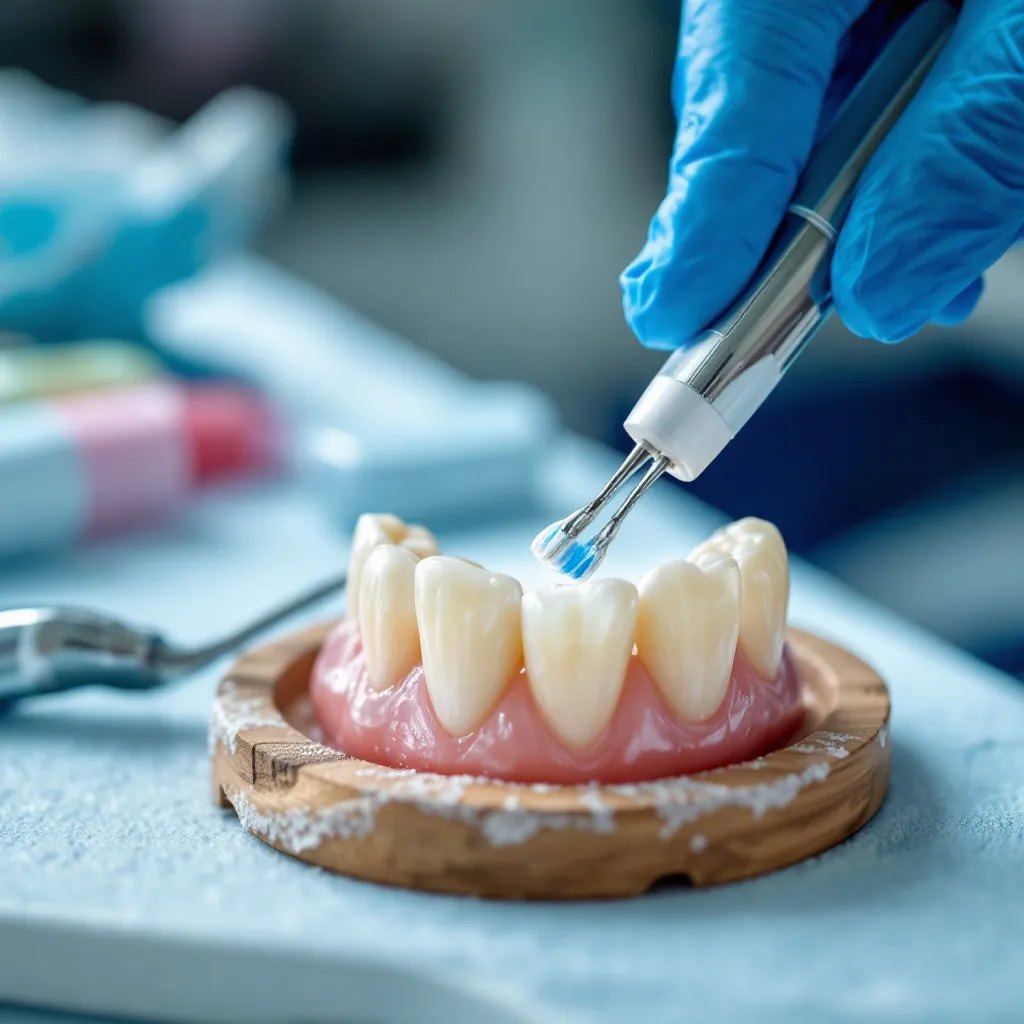
Tooth sensitivity after whitening is common, usually mild, and almost always temporary. The peroxide in whitening gel passes through enamel and can irritate the nerve inside the tooth, producing brief zings of discomfort with cold air, drinks, or brushing. Most people feel better within one to three days. The best way to manage it is to pause whitening if needed, use a desensitizing toothpaste containing potassium nitrate or stannous fluoride, avoid temperature extremes, and keep your gums and enamel healthy. If pain lingers beyond a week, a dental visit is worthwhile.
For most people, sensitivity peaks during treatment or within the first day afterward and fades within 24 to 72 hours. The discomfort typically feels like a quick, sharp twinge rather than a lasting ache, and it tends to appear when teeth meet cold water, cool air, or sweet and acidic foods. Because the peroxide has temporarily increased the porosity of the enamel, the tooth's inner layers are simply more reactive for a short time.
Duration depends on several things: the strength of the whitening gel, how long it stays on the teeth, how often you whiten, and your own baseline sensitivity. In-office treatments use higher concentrations and can cause a more noticeable reaction on the same day, while take-home trays with lower concentrations tend to produce milder but more drawn-out sensitivity if used nightly. Either way, the effect is cumulative, so back-to-back sessions can extend the recovery period.
Boise's dry climate and cold winters can make the experience feel sharper than expected. Breathing in cold air on a January morning or sipping an iced drink in the dry summer heat may trigger a twinge that you would not notice otherwise. If sensitivity is still present after seven days, becomes a constant ache, or is focused on a single tooth, that pattern suggests something other than normal whitening response, such as a small crack, a worn filling, or decay, and it deserves an examination.
The most reliable first step is a desensitizing toothpaste. Formulas with potassium nitrate calm the nerve by reducing its ability to fire pain signals, while stannous fluoride helps block the tiny tubules in dentin that transmit sensation. Both work best with consistent use, so begin brushing with one a week or two before whitening and continue for a couple of weeks afterward. For extra benefit, apply a small dab to your teeth and leave it on for a few minutes before rinsing.
Fluoride rinses and prescription-strength fluoride gels offer another layer of protection by strengthening enamel and helping it reseal. Your dentist can recommend a higher-fluoride toothpaste if over-the-counter options are not enough. Some people also benefit from placing desensitizing gel directly into their whitening trays for the last ten to fifteen minutes of wear, a technique that delivers the active ingredient exactly where it is needed.
Small habits matter as well. Use a soft-bristled brush and light pressure, since aggressive brushing wears at enamel and exposed root surfaces. Choose lukewarm water for rinsing and drinking for a few days, and sip cold beverages through a straw to bypass the front teeth. Avoid highly acidic items such as citrus, soda, and wine immediately after whitening, because acid can intensify the sting. Over-the-counter pain relievers like ibuprofen can take the edge off in the first day or two, if they are safe for you.
In many cases, yes, but the approach should be adjusted. Sensitive teeth are not an automatic barrier to whitening; they are a signal to go slower and use gentler methods. Lower-concentration gels, shorter wear times, and spacing treatments several days apart can make the process comfortable. Some people do well whitening every other day instead of daily, accepting a slightly longer timeline in exchange for far less discomfort.
Before starting, it is important to rule out underlying problems. Gum recession, exposed root surfaces, cracked teeth, worn enamel, and untreated cavities can all make whitening painful, and peroxide can aggravate these areas. A dental exam and cleaning beforehand will identify issues that need treatment first. Whitening also does not change the color of crowns, veneers, or fillings, so your dentist can help you plan around existing restorations.
A professionally supervised approach is often the best fit for sensitive patients. Custom-fitted trays hold gel evenly against the teeth and keep it off the gums, which reduces irritation compared with one-size-fits-all strips. At Boise Smiles, the goal is to match the method to your comfort level, adjusting strength and timing as you go. If you have a history of significant sensitivity, mention it at the start so the plan can be built around it.
Preparation can noticeably reduce discomfort. Spend one to two weeks before treatment using a desensitizing toothpaste, and keep up with regular cleanings so that plaque and tartar do not interfere with how the gel contacts enamel. Avoid whitening when you have a cold sore, active gum irritation, or recent dental work that has not fully settled, since these situations can heighten reactions.
During treatment, follow timing instructions exactly. Leaving gel on longer rarely produces better results and frequently produces more sensitivity. Use only a thin layer of gel in the tray, wipe away excess from the gum line, and stop if you feel a sharp or lingering pain. Skipping a day to let teeth recover is a perfectly reasonable adjustment and does not undo your progress.
Diet plays a supporting role. For the first 48 hours, teeth are more porous and more prone to staining, so many people limit coffee, tea, red wine, and dark sauces anyway. That window overlaps nicely with the period of greatest sensitivity, so choosing mild, room-temperature foods such as rice, chicken, pasta, and bananas serves both goals. Staying hydrated with water also helps keep saliva flowing, which supports natural enamel remineralization.
Normal whitening sensitivity is brief, symmetrical, and improves each day. Warning signs include pain that persists beyond a week, throbbing or spontaneous aching without any trigger, discomfort focused on one tooth, swelling, or sensitivity to biting pressure. These may point to a cracked tooth, an infection, a failing filling, or gum disease rather than a simple reaction to peroxide.
Gum irritation is another reason to check in. White patches on the gums or a burning sensation usually mean gel contacted soft tissue; this typically resolves quickly but may call for adjusting your trays or technique. Do not continue whitening through significant pain, because pushing past it can prolong recovery and make future treatments less comfortable.
A short visit can usually sort out the cause and provide a solution, such as in-office desensitizing varnish, a prescription fluoride, or a modified whitening schedule. If you live in the Boise area and are unsure whether what you are feeling is normal, contacting your dental office early is better than waiting. Once sensitivity is under control, most people can resume or complete whitening and enjoy a brighter smile without ongoing discomfort.
Boise Smiles is a dental practice listed in Boise, Idaho. For professional help anywhere in Boise, visit professional teeth whitening.
☎Call (208) 658-0859 Boise Smiles