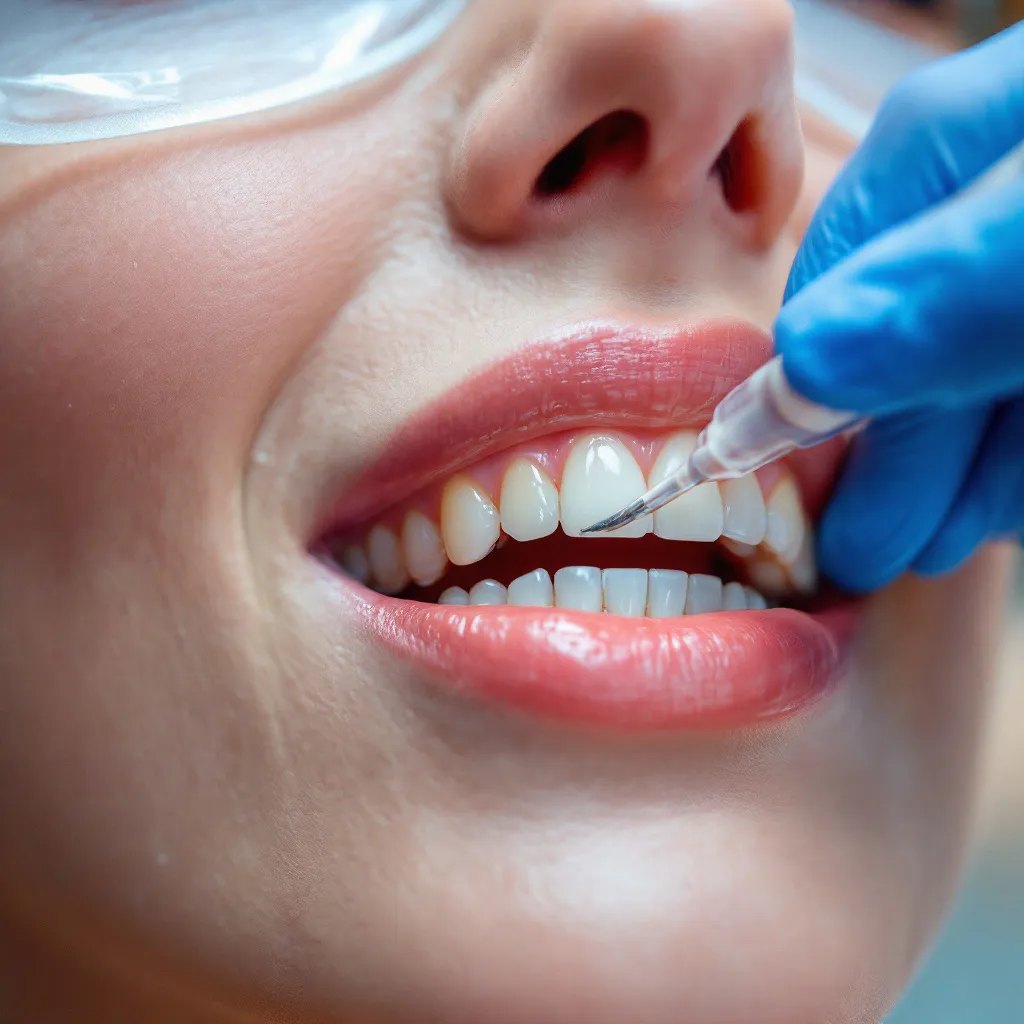
For the first 48 hours after whitening, avoid anything that can stain or irritate freshly treated enamel: coffee, tea, red wine, cola, dark sauces, berries, tomato-based foods, soy sauce, and tobacco in any form. Your teeth are temporarily more porous after treatment, so pigments absorb more easily. Stick with a so-called white diet of foods like chicken, rice, pasta, potatoes, eggs, cauliflower, and plain yogurt, and drink water. Gentle brushing with a soft brush is fine, and most habits return to normal within a few days. The details below explain the reasoning and offer practical alternatives.
The general rule is to avoid anything that would leave a mark on a white shirt. Whitening opens the microscopic pores in enamel and removes the thin protective film of saliva proteins, known as the pellicle, that normally shields teeth. Until that film rebuilds, which takes roughly 24 to 48 hours, pigments from food and drink can settle in more easily than usual. That is why the first two days matter more than any other stretch of your whitening routine.
The most common culprits are coffee, black and herbal teas, red and dark wines, cola, sports drinks with dyes, blueberries, blackberries, cherries, beets, pomegranate juice, balsamic vinegar, soy sauce, curry, mustard, ketchup, and tomato sauce. Dark chocolate and popsicles with artificial color also catch people off guard. Even some mouth rinses contain dyes, so check the label before using one.
Acidic items deserve attention for a different reason. Citrus, vinegar-based dressings, pickles, wine, and sodas can leave teeth sensitive after whitening and may soften enamel slightly. Even if a food is light in color, a lemon-heavy dish can make tender teeth feel sharp and uncomfortable, so it is wise to skip those for the first couple of days as well.
A white diet is easier than it sounds once you plan a few meals. Good choices include plain or lightly seasoned chicken and turkey, white fish, rice, pasta with a cream or butter sauce, mashed or baked potatoes, eggs, cauliflower, white beans, bananas, apples peeled of their skin, oatmeal, bread, cheese, and plain yogurt. Lightly seasoned food with salt and herbs is fine; just avoid dark spices like paprika, turmeric, and chili powder.
Temperature matters too. Teeth can be sensitive to extremes after a whitening session, so lukewarm foods and drinks are usually more comfortable than piping hot soup or ice-cold treats. If you live in Boise and your appointment falls on a cold winter day, breathing through your nose on the walk to the car can reduce the sharp twinge some people feel when cold air hits their teeth.
For drinks, water is the best option. Milk and clear sodas such as club soda are generally acceptable, though sparkling water is mildly acidic, so many dentists suggest keeping it to a minimum at first. If you use a straw for anything other than plain water, it helps keep liquid away from the front teeth.
Ideally, not for the first 48 hours. Coffee is one of the strongest staining agents most people consume daily, and the combination of dark pigment and acidity is especially hard on freshly whitened teeth. If you rely on a morning cup, plan your whitening appointment for a day when you can adjust your routine, such as a long weekend, rather than just before a busy workweek.
If you simply cannot skip it, there are ways to reduce the risk. Drink it through a straw positioned toward the back of your mouth, add plenty of milk to lighten the color, and rinse with water immediately afterward. Iced coffee through a straw is often easier to manage than a hot cup sipped slowly over an hour. Slow sipping is worse than drinking quickly, because it keeps teeth bathed in pigment.
After the initial window, coffee does not have to be given up. Many people find their results last longer if they drink it in one sitting rather than all morning, rinse with water afterward, and keep up with regular cleanings. Boise has a strong coffee culture, so having a realistic plan beats a strict rule you will not follow.
Tobacco is the single worst habit for whitening results. Cigarettes, cigars, vaping products that contain nicotine, chewing tobacco, and nicotine pouches all deposit tar and pigment that can discolor teeth within hours of treatment. Avoid them for at least 48 hours, and ideally much longer. If you have been thinking about quitting, a whitening appointment can be a useful motivator, since the results are visible and you will want to protect them.
Other habits are less obvious. Avoid biting your nails, chewing pens, or crunching ice, which can irritate sensitive teeth. Skip whitening toothpastes with harsh abrasives and highly acidic mouthwashes for the first few days, because they can aggravate sensitivity. Lipstick and lip stain can also transfer to teeth, so lighter shades are a safer choice right afterward.
Hydration plays a quiet role, too. Boise's dry high-desert air can leave your mouth drier than you realize, especially in summer and during winter heating season. Saliva helps rebuild the protective film and neutralize acids, so drinking water throughout the day supports your teeth. Chewing sugar-free gum can also stimulate saliva flow, as long as it is not brightly colored.
You can brush the same day, and you should. Skipping brushing allows plaque to build up and may cause staining of its own. What changes is the technique and the products. For the first 24 to 48 hours, use a soft-bristled brush, light pressure, and a gentle fluoride toothpaste, ideally one formulated for sensitive teeth. Avoid charcoal powders and heavily abrasive pastes, which can scratch enamel and make the surface more prone to staining.
After about two days, most people can return to their usual routine. Brush twice daily for two minutes, floss once a day, and consider a toothpaste with a mild polishing action to remove surface stains. Electric brushes with pressure sensors are helpful for people who tend to scrub too hard. Wait about 30 minutes after eating acidic foods before brushing, since enamel is softer immediately after acid exposure.
If sensitivity lingers, a potassium nitrate or stannous fluoride toothpaste may help, and your dentist can suggest a desensitizing treatment. Mild sensitivity usually fades within a few days. Contact your dental office if you notice sharp pain, gum irritation that does not settle, or sensitivity lasting beyond a week.
Whitening is not permanent, but good habits stretch it considerably. Results commonly last from several months to a year or more, depending on diet, tobacco use, and oral hygiene. Rinsing with water after coffee, tea, wine, or dark sauces is a simple practice that removes much of the pigment before it settles. Regular dental cleanings, usually every six months, remove the surface buildup that makes teeth look dull.
Many practices, including those in the Boise area, offer take-home touch-up trays or gel for occasional maintenance. A brief touch-up every few months is often enough to keep your shade consistent, and it is gentler than repeating a full treatment. Ask your dentist how often is appropriate for your enamel, since overuse can increase sensitivity.
Finally, be realistic about restorations. Whitening agents do not change the color of crowns, veneers, bonding, or fillings, so a mismatch can appear if you have visible dental work. If that applies to you, talk with your dentist before treatment so you know what to expect. A clear plan for aftercare, a few small habit changes, and steady home care are what keep a bright smile looking its best.
Boise Smiles is a dental practice listed in Boise, Idaho. For professional help anywhere in Boise, visit teeth whitening services.
☎Call (208) 658-0859 Boise Smiles