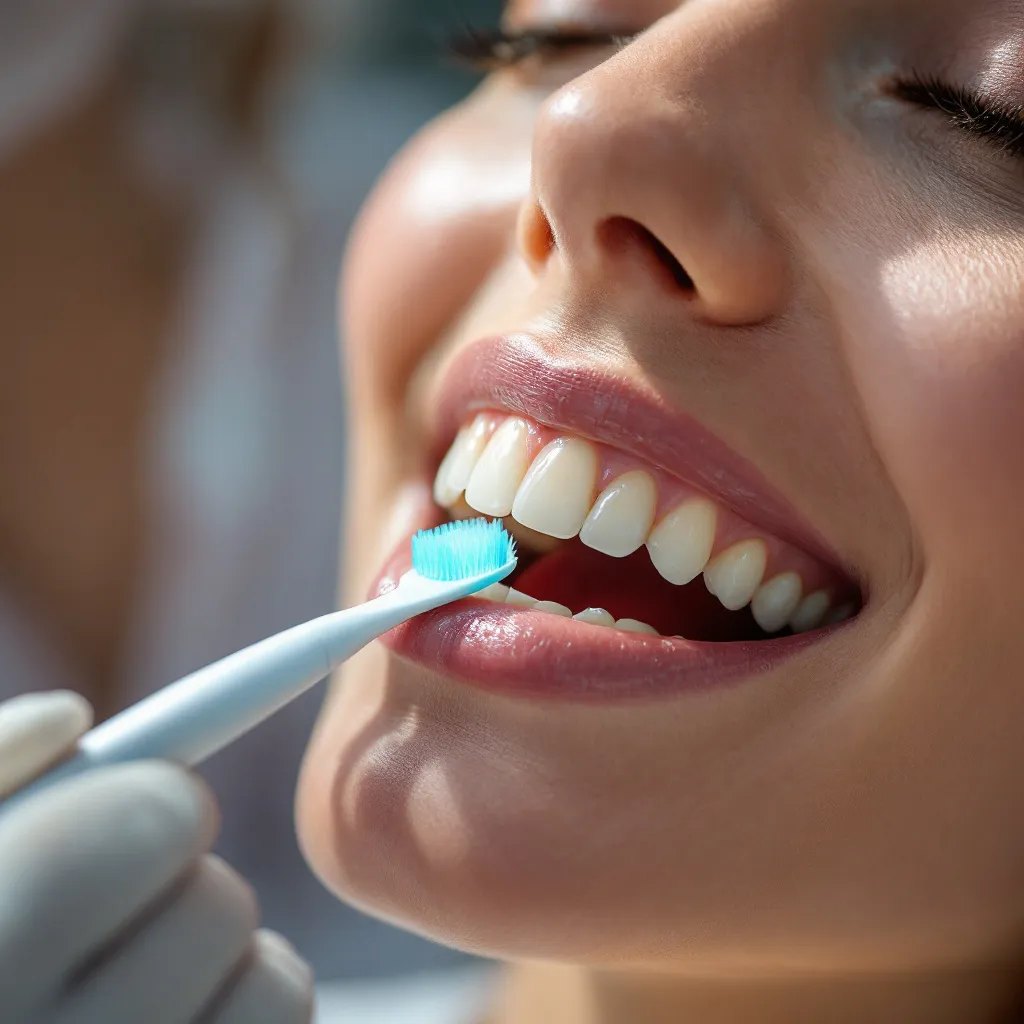
Teeth whitening results typically last anywhere from six months to two years, depending on the method used, the type of staining being treated, and the daily habits of the person who has been treated. Professional in-office treatments tend to hold longer than over-the-counter strips, but no whitening is permanent. Teeth gradually pick up new stains from food, drink, and ordinary aging. Most people in Boise notice a slight softening of brightness within a few months, followed by a slow return toward their starting shade unless they maintain their results with sensible care and occasional touch-ups.
Whitening does not change the underlying structure of a tooth; it lifts pigment molecules from within and on the surface of the enamel. Because enamel is porous, new pigments can settle back in almost immediately. In the first two days after treatment, teeth are especially receptive to color, which is why many dentists recommend a short period of avoiding strongly pigmented foods. Visible fading, however, rarely appears that quickly. Most people first notice a subtle change between three and six months after treatment.
A realistic timeline depends on the method. Professional in-office whitening, often paired with custom take-home trays, commonly keeps its effect for one to two years with reasonable care. Over-the-counter strips and paint-on gels usually produce a more modest change that tends to fade in about three to six months. Whitening toothpastes only address surface stains, so their effect is gentle and lasts only as long as you keep using them.
Starting color matters as well. Yellow-toned teeth, which respond well to bleaching, often hold their gains better than teeth with gray or brown tones caused by medication, trauma, or fluorosis. Those deeper, intrinsic stains may lighten less and can return to their earlier look sooner. A consultation before treatment helps set expectations, so the shade you leave with is one you can reasonably maintain.
Coffee, black tea, red wine, cola, and dark sauces such as soy and balsamic are the most common culprits. They contain chromogens, the pigmented compounds that cling to enamel, and acidic drinks make the problem worse by slightly softening the surface. Boise has a lively coffee and craft-beverage culture, and a daily latte or an evening glass of red adds up over months. You do not have to give these up, but sipping through a straw and rinsing with water afterward reduces contact time noticeably.
Tobacco is the single most powerful stain-maker. Cigarettes, chewing tobacco, and vaping products with nicotine can discolor teeth in a matter of weeks, undoing a whitening treatment far faster than any beverage. Anyone who uses them should expect shorter-lived results and may find that touch-ups are needed more often. Quitting is the most effective step for both oral health and the longevity of a brighter smile.
Oral hygiene also plays a quiet role. Plaque and tartar absorb stains readily and give teeth a dull, yellowish cast that can be mistaken for fading whitening. Brushing twice daily with a soft brush, flossing, and keeping up with professional cleanings every six months removes the buildup that traps pigment. Brushing too aggressively or using highly abrasive pastes can wear enamel and expose the darker dentin beneath, which works against your results.
There is no universal schedule, but many dentists suggest a touch-up every six to twelve months for people who want to keep a consistently bright shade. Those with fewer staining habits may stretch that to eighteen months or longer. Touch-ups are usually shorter and gentler than the initial session, often using the custom trays you already own with a small amount of professional-strength gel for a night or two.
More is not better. Overusing bleaching agents can cause tooth sensitivity, gum irritation, and in some cases a translucent, slightly thinned appearance at the edges of the teeth. If you notice lingering sensitivity to cold, which is common in Boise winters, pause treatment and let your teeth recover. Using a desensitizing toothpaste with potassium nitrate for a couple of weeks before and after whitening can also help.
Because the right interval depends on your enamel, your gums, and any existing dental work, it is worth having a dentist guide the timing. Crowns, veneers, and tooth-colored fillings do not respond to whitening, so a touch-up can make natural teeth lighter than the restorations beside them. A professional can plan around that, and may recommend whitening before replacing older work so the shades match.
Professional whitening uses higher concentrations of peroxide, applied under controlled conditions with the gums protected. That strength usually produces a deeper initial change, and a deeper change has more room to fade before it looks like your starting point. Custom-fitted trays used at home, with dentist-supplied gel, offer a middle path: lower concentrations used over several days, with an even fit that avoids the patchiness sometimes seen with generic trays.
Store-bought products are less predictable. Strips cover mainly the front surfaces, so the edges and sides of teeth may lighten unevenly, and the results often fade as quickly as they appeared. They can still be a reasonable, affordable option for mild surface staining or for occasional maintenance between professional visits, provided the instructions are followed carefully.
Cost and convenience matter too. A single in-office visit can be efficient for a special event, while custom trays can be reused for years, making later touch-ups inexpensive. Many people combine the two: a professional treatment to establish a bright shade, followed by occasional at-home maintenance. That combination tends to deliver the longest-lasting results with the least wear on the teeth.
Small routines make a larger difference than most people expect. Rinse with water after coffee, tea, or wine, wait about thirty minutes before brushing so softened enamel is not scrubbed, and use a straw for dark or acidic drinks when practical. Foods that are firm and crisp, such as apples, celery, and carrots, stimulate saliva and gently clean tooth surfaces, while dairy products such as cheese can help buffer acids after a meal.
Choose toothpaste thoughtfully. Products with a low abrasivity rating and the American Dental Association seal are safer for daily use, and occasional use of a whitening toothpaste can help lift new surface stains. Avoid homemade remedies such as baking soda and lemon juice or activated charcoal, which can be abrasive or acidic enough to damage enamel and make teeth look darker over time.
Finally, keep regular dental visits. A professional cleaning removes stain that home brushing cannot, and your dentist can spot early problems such as cavities or worn enamel that affect how teeth look. If your results seem to fade unusually fast, mention it; changes in medication, dry mouth, or acid reflux can all alter how readily teeth stain, and each has its own remedy.
For a general explanation of how bleaching changes the color of enamel, see this overview of tooth whitening on Wikipedia.
Boise Smiles is a dental practice listed in Boise, Idaho. For professional help anywhere in Boise, visit expert teeth whitening in Boise.
☎Call (208) 658-0859 Boise Smiles