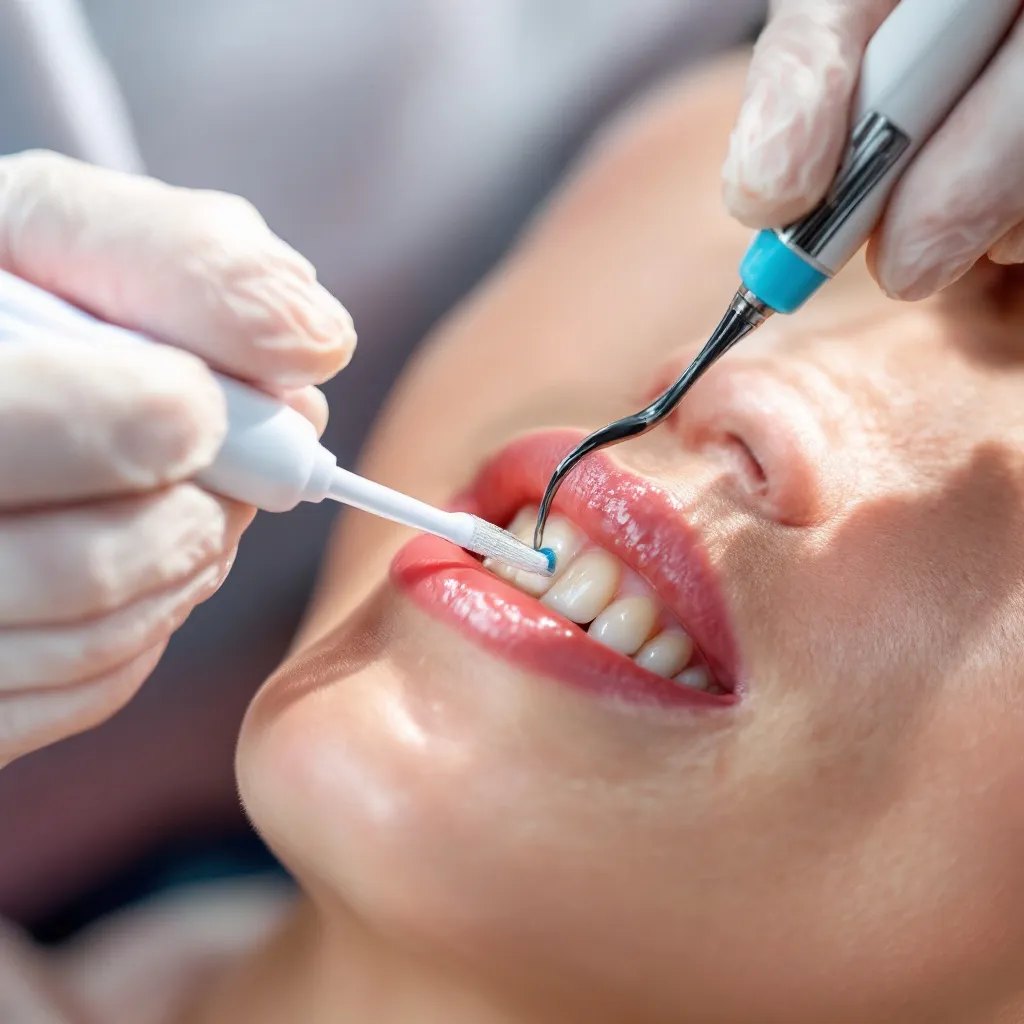
The most common teeth whitening mistakes are overusing products, skipping a dental exam first, ignoring existing restorations, whitening unevenly, expecting instant results, neglecting sensitivity, and timing treatment poorly around other dental work. Each one is easy to avoid with a little planning. Whitening works best when it is treated as a small clinical process rather than a quick cosmetic fix: start with a healthy mouth, choose a method that fits your teeth, follow the directions exactly, and give the results time to settle. The sections below explain what goes wrong and how to prevent it.
Yes, it can. Whitening strips use peroxide to lift stains from enamel, and the product is designed to be used for a set number of minutes over a set number of days. Wearing them longer, doubling up each day, or repeating cycles back to back does not make teeth whiter in proportion. It mostly increases the chance of sensitivity, irritated gums, and a translucent or chalky look at the biting edges, where enamel is thinnest.
Enamel does not grow back once it is worn down, so the damage from overuse can be lasting even when it seems minor at first. Early warning signs include a sharp zing with cold drinks, gum tissue that looks white or feels raw, and teeth that seem grayer rather than brighter. If you notice any of these, stop whitening and let your mouth recover for a couple of weeks before deciding what to do next.
A practical rule is to follow the label to the letter and wait several months between full courses. People in Boise who spend a lot of time outdoors, drink coffee on the way to the trails, or sip sports drinks often feel tempted to whiten more frequently. A dentist can suggest a maintenance schedule that fits your actual stain habits instead of guessing.
Uneven results are one of the most frustrating outcomes, and they usually have an identifiable cause. Strips are flat and may not wrap evenly around crooked, crowded, or rotated teeth, so some surfaces get plenty of gel while others get almost none. Over-the-counter trays are similarly one-size-fits-all, which can leave gaps where the gel pools or never reaches. The result is a patchwork of lighter and darker areas.
Another common reason is that not every tooth responds the same way. Natural teeth often have a darker area near the gumline or around the canine teeth, and these areas can lighten more slowly. Teeth with white spots, old fluoride marks, or deep staining may also look more noticeable once surrounding enamel brightens. Meanwhile, crowns, veneers, bonding, and fillings do not change color at all, so they can stand out after the natural teeth lighten.
The best way to prevent this is to use custom-fitted trays or professionally supervised treatment, which place gel more consistently across every surface. Brush and floss thoroughly before each session, since plaque blocks the gel. If unevenness is already present, wait a few weeks to see if the shade settles, because teeth often look patchy immediately after treatment due to temporary dehydration. If the difference remains, a dentist can discuss touch-up options.
In most cases, whiten first and complete cosmetic dental work afterward. Materials used for crowns, veneers, bonding, and tooth-colored fillings are chosen to match the shade of your teeth on the day they are made, and they do not respond to bleaching. If you restore a tooth and then whiten the rest, the restoration may look noticeably darker than the surrounding enamel, and replacing it to match can be costly.
Waiting a short period between whitening and restorative work is also important. Peroxide can temporarily interfere with how well bonding materials stick to enamel, so dentists commonly recommend leaving about one to two weeks after whitening before bonding or placing certain restorations. This also lets your final shade stabilize, which gives the dental team an accurate color to match.
There are exceptions. Treatment for decay, gum disease, or a cracked tooth should not be delayed for cosmetic reasons, and whitening over an untreated cavity can cause significant pain. Gum health matters too, since inflamed tissue reacts badly to whitening gel. If you are planning a cleaning, a filling, or a larger cosmetic project, mention your whitening goals at the start so the sequence can be planned in a sensible order.
Skipping an exam is a quiet but significant mistake. Whitening gel can seep into cavities, cracks, and areas of exposed root, and it can cause sharp discomfort or irritate the nerve. Gum recession, worn enamel, and leaking fillings all raise the odds of a painful experience. A short exam and cleaning can identify these issues before you start, so treatment goes more smoothly.
An exam also helps determine the kind of stain you have. Surface stains from coffee, tea, red wine, and tobacco usually respond well to whitening. Stains caused by medications, trauma, or developmental conditions may respond slowly or not at all, and a dentist can tell you what to realistically expect. A professional cleaning beforehand also removes tartar and surface buildup, which often brightens teeth on its own and lets the gel work evenly.
For many people, this step prevents wasted money. Buying several rounds of products without knowing why teeth look dull can lead to disappointment. A quick visit gives you a clear starting shade, a recommended method, and a sense of how many shades of change are likely.
Sensitivity is common, and many people make it worse by pushing through it. A mild twinge is normal, but sharp or lingering pain is a sign to pause. Shorter sessions, lower-strength gel, or spacing treatments every other day can help. Toothpaste made for sensitive teeth, used for a couple of weeks beforehand and during treatment, can also reduce discomfort for many people.
Habits in the first two days matter as well. Enamel is more porous right after whitening, so dark foods and drinks such as coffee, red wine, tomato sauce, and dark berries can stain more easily. Many dentists suggest following a lighter diet during that window. Water, milk, rice, chicken, and pale vegetables are easy choices. Using a straw for iced coffee helps, and rinsing with water after a drink limits contact time.
Long-term, keep results lasting with regular brushing, daily flossing, and professional cleanings. Smoking and vaping undo whitening quickly. Boise's dry, high-desert climate can leave some people mouth-breathing or dehydrated, and a dry mouth tends to collect stain and plaque faster, so staying hydrated is a useful habit.
Unrealistic expectations lead to many of the other mistakes on this list. Whitening lightens natural tooth structure, but it does not create a bright, paper-white shade for everyone. Teeth with a yellow undertone usually respond best, while those with a gray or brownish cast change more slowly. Most people see a gradual improvement of a few shades, not a dramatic transformation overnight.
Results are also not permanent. Depending on your diet and habits, a touch-up every six to twelve months is common. Chasing a shade that your teeth cannot reach often pushes people toward overuse, which brings back the sensitivity and enamel concerns described earlier. It helps to choose a target shade with your dentist and stop once you reach it.
Finally, be cautious with trends such as charcoal powders, lemon juice, baking soda mixtures, or abrasive scrubs promoted online. These can scratch enamel and make teeth look duller over time. Evidence-based products with peroxide, used as directed and ideally under professional guidance, remain the safest route. If you are unsure where to begin, a consultation can clarify which option suits your teeth, schedule, and budget.
Boise Smiles is a dental practice listed in Boise, Idaho. For professional help anywhere in Boise, visit Boise Smiles.
☎Call (208) 658-0859 Boise Smiles