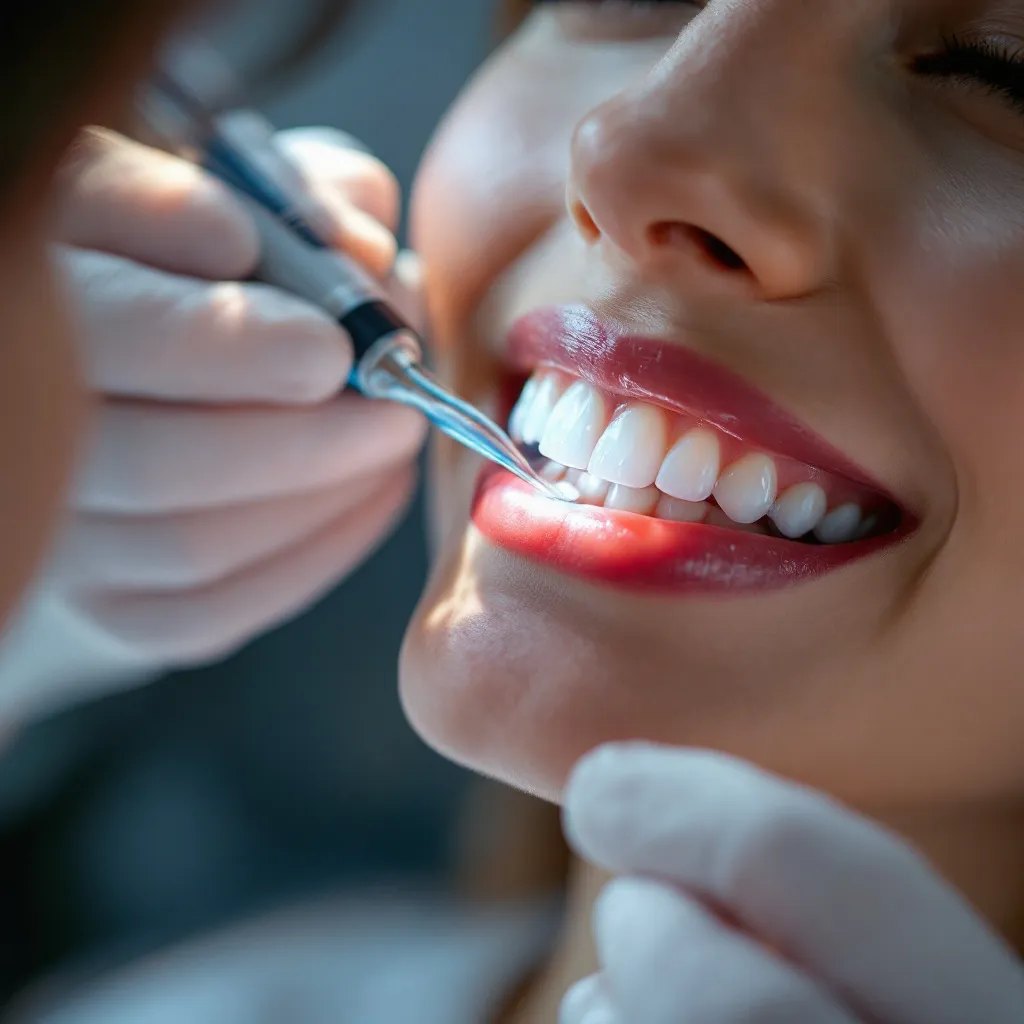
Most natural whitening remedies do far less than their reputations suggest, and a few can quietly damage your teeth. Baking soda, used gently and occasionally, can lift light surface stains. Oil pulling may freshen the mouth but has no reliable whitening effect. Charcoal and lemon juice carry real risks to enamel. The most dependable options are simple habits that prevent stains, such as rinsing after coffee, along with professionally guided whitening for deeper discoloration. Understanding why teeth change color helps explain which home approaches are worth your time and which are best skipped.
Tooth color comes from two layers. Enamel is the hard, semi-translucent outer shell, and dentin is the yellower tissue beneath it. Stains fall into two groups. Extrinsic stains sit on the enamel surface and come from coffee, tea, red wine, dark sauces, and tobacco. Intrinsic stains develop within the tooth, caused by aging, trauma, certain medications, or excess fluoride during childhood. This distinction matters because natural remedies can only ever address surface stains.
As enamel thins with age, the dentin underneath shows through more, which is why teeth often look darker over the years even with excellent brushing. No kitchen remedy changes dentin color. Only peroxide-based whitening agents, which penetrate the enamel and break down pigment molecules, reach that deeper layer.
It also helps to set realistic expectations. A remedy that removes a thin film of coffee residue may make teeth look slightly brighter, but it will not change their underlying shade. Knowing which type of stain you have is the first step toward choosing something that will actually work, and a dental exam can tell you quickly.
Baking soda is a mild abrasive, and that is both its strength and its limitation. Its fine crystals can scrub away surface stains, and many commercial toothpastes include it for this reason. Its hardness is well below that of enamel, so occasional use is considered low risk. It also neutralizes acids in the mouth, which is a modest benefit for people who sip coffee or soda throughout the day.
The trouble starts with frequency and technique. Scrubbing with a gritty homemade paste every day, especially with a hard brush, can gradually wear down enamel and irritate gums. Worn enamel looks duller and more yellow, which defeats the purpose. Baking soda also contains no peroxide, so it cannot change the natural shade of the tooth.
If you want to try it, mix a small amount with water, apply it with a soft brush using light pressure, and limit it to once or twice a week. Stop if your teeth become sensitive. Do not combine it with lemon juice or vinegar, since the acid undermines any protective effect and increases enamel erosion.
Activated charcoal has become popular in pastes, powders, and even charcoal-infused brushes. Like baking soda, it works by abrasion, picking up surface stains as it is scrubbed across the teeth. Some people notice a short-term brightening, but there is little solid clinical evidence that charcoal products whiten teeth better than ordinary toothpaste, and the American Dental Association has not granted its Seal of Acceptance to charcoal whitening products.
The concerns are practical. Many charcoal formulas are highly abrasive, and some contain no fluoride, which means you lose cavity protection while possibly wearing away enamel. Particles can also lodge in crevices, around crowns, and along the gumline, leaving a gray tint. Because abrasion is cumulative, damage may not be obvious until teeth are more sensitive or look darker.
If you enjoy using charcoal, treat it as an occasional polish rather than a daily toothpaste, and keep a fluoride toothpaste as your main one. Look for products that state their abrasiveness rating, and avoid them entirely if you have exposed roots, receding gums, or existing sensitivity.
Oil pulling involves swishing coconut or sesame oil in the mouth for ten to twenty minutes. Small studies suggest it may reduce certain oral bacteria and plaque, and many people like the clean feeling afterward. However, there is no good evidence that it removes stains or changes tooth shade. It is harmless for most people, but it should never replace brushing, flossing, or dental visits, and the oil should be spit into a trash can rather than a sink to avoid clogging pipes.
Lemon juice is a different story. Its citric acid can soften and erode enamel, and the same goes for orange juice, vinegar, and other acidic rinses. Any brightening you notice is often the result of enamel being etched, which is permanent. Once enamel is lost, it does not grow back, and the yellow dentin beneath becomes more visible.
Strawberries mixed with baking soda, a common social media suggestion, fall into the same category. The fruit acids and abrasive grit are a poor combination, and the tiny amount of malic acid offers no meaningful bleaching. Skipping these hacks protects the one thing whitening depends on: healthy enamel.
The most effective natural approach is prevention. Rinse with water after coffee, tea, red wine, or dark sauces, and use a straw for iced drinks when practical. Wait about thirty minutes after acidic foods or drinks before brushing, because enamel is temporarily softened and more vulnerable to abrasion. Brushing twice daily with a soft brush and fluoride toothpaste, plus daily flossing, keeps plaque and tartar from dulling your smile.
Diet can help as well. Crunchy produce such as apples, carrots, and celery stimulates saliva, which naturally rinses the mouth, and cheese and plain yogurt can help buffer acids. Quitting tobacco will do more for tooth color than any home remedy. In Boise, where many people start the day with a coffee on the way to work or a post-hike sports drink, these small changes add up over months.
Regular professional cleanings matter too. Hygienists remove tartar and surface stain that brushing cannot, and many people find their teeth look noticeably brighter after a cleaning alone. It is an inexpensive first step before considering anything stronger.
If your teeth remain discolored despite good habits, or if the stains are deep, yellow, or gray, professional whitening is the more reliable route. Dentist-supervised treatments use carefully controlled concentrations of peroxide, protect the gums, and can be tailored to your sensitivity. Options usually include in-office treatment for faster results or custom-fitted trays for gradual whitening at home, and both are generally more predictable than over-the-counter strips or kitchen experiments.
A consultation also checks for problems that whitening can worsen, such as cavities, cracked teeth, gum recession, or worn fillings. Crowns, veneers, and bonding do not change color with peroxide, so it is better to plan the order of treatment in advance. Some discoloration, such as that from tetracycline, may need a different approach altogether.
Boise Smiles can evaluate your teeth, explain which type of staining you have, and recommend a realistic plan. Bring up any sensitivity or past dental work during the visit. A frank conversation about your goals and habits will help you choose a method that brightens your smile without sacrificing long-term enamel health.
Boise Smiles is a dental practice listed in Boise, Idaho. For professional help anywhere in Boise, visit teeth whitening in Boise.
☎Call (208) 658-0859 Boise Smiles