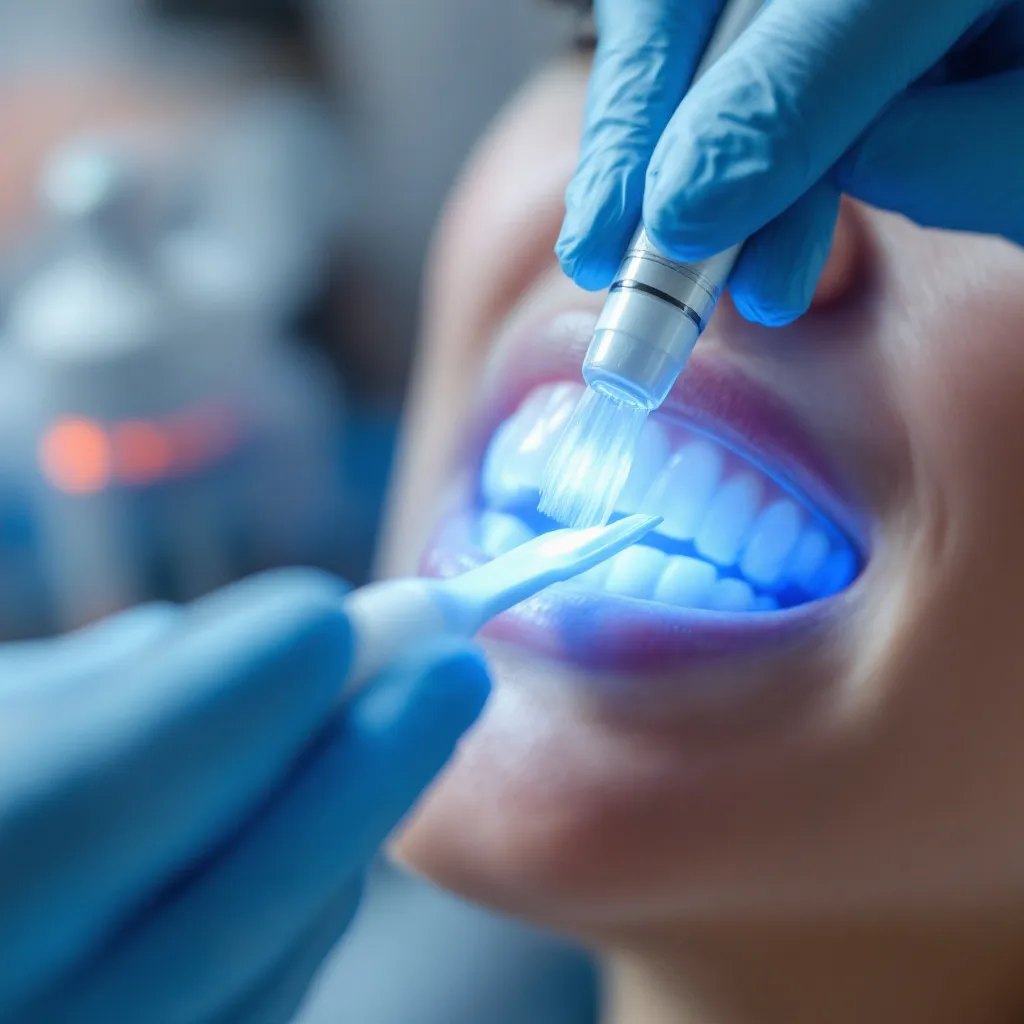
A professional teeth whitening visit is usually a calm, unhurried appointment lasting about 60 to 90 minutes. You can expect a short review of your health and goals, a shade assessment, careful protection of your gums and lips, the application of a peroxide-based whitening gel, and a final rinse with a shade comparison and aftercare guidance. Most people feel pressure or mild sensitivity at worst, and results are visible the same day. Knowing the sequence ahead of time makes the experience easier, and it helps you decide whether in-office treatment, take-home trays, or a combination suits your teeth and schedule.
The visit begins with a conversation rather than a procedure. A dental professional will ask about your medical history, any medications, past sensitivity, and how white you hope your smile will become. They will examine your teeth for cavities, cracks, gum recession, and existing restorations. This matters because whitening gel acts on natural enamel and dentin only; it will not change the color of crowns, veneers, or fillings. Your starting shade is recorded against a guide, and often photographed, so progress can be measured honestly afterward.
Next comes preparation. Your teeth are polished lightly to remove surface film, then dried. Cheek retractors hold your lips away from the teeth, and a liquid dam or rubber barrier is placed along the gumline to shield soft tissue from the gel. This step is the most tedious part for patients, since you will be asked to keep your mouth open, but it is also the most important for comfort. Many offices provide headphones or a screen so the time passes easily.
The whitening gel, typically containing hydrogen or carbamide peroxide, is then painted onto the front surfaces of the teeth. It stays on for set intervals, commonly three rounds of 15 to 20 minutes, and some systems use a gentle light or heat to speed the reaction. Between rounds, the gel is suctioned off and fresh gel is applied. Your clinician checks in regularly to ask how your teeth feel and can pause at any time.
When the final round is complete, the gel is removed, the barrier is taken out, and your mouth is rinsed thoroughly. You will compare your new shade against the original reading, and the clinician will often apply a desensitizing or fluoride product. Before you leave, you receive written instructions covering what to eat and drink over the next two days, and whether take-home touch-up trays make sense for you.
For most people it does not hurt in the sense of sharp pain, but some sensitivity is common. Peroxide temporarily opens microscopic pathways in enamel, which can make teeth react to air, cold water, or pressure. This may feel like brief zings or a dull ache, usually during the treatment or in the first 24 to 48 hours afterward. It tends to fade on its own and does not indicate lasting damage to healthy teeth.
Your likelihood of sensitivity depends on your starting condition. Thin enamel, exposed root surfaces from gum recession, small cracks, and untreated cavities all raise the odds of discomfort. People who already notice pain with ice cream or hot coffee should mention it at the start. Clinicians can adjust the gel concentration, shorten application times, or use a desensitizing pre-treatment so the visit remains comfortable.
Boise's dry, high-desert climate is worth a thought here. Low humidity can leave mouths a bit drier, especially in winter when indoor heating runs constantly, and dry teeth can feel more reactive. Drinking water regularly, using a toothpaste made for sensitive teeth for a week before and after, and avoiding very cold or very hot drinks for a day or two can all help. If a tooth hurts sharply during the session, say so immediately.
Gum irritation is the other thing patients sometimes notice. If gel touches soft tissue, it can leave a white, tender patch that resolves within a day or so. Proper isolation largely prevents this, which is why the barrier step should never be rushed. Any lingering soreness beyond a couple of days is worth a call to the office.
In most cases, yes, or at least a recent one. Whitening gel works best on clean enamel. Plaque and tartar create an uneven layer that blocks the gel, which can produce patchy results, with some areas lightening while others stay stubbornly yellow. A cleaning removes that buildup and the surface stains that sit on top of teeth, so the whitening can focus on deeper discoloration inside the enamel.
A cleaning and exam also serve a safety purpose. Whitening over an untreated cavity or an inflamed gum line can cause pain and may push irritants deeper into the tooth. Dental professionals prefer to treat decay and gum disease first, then whiten once the mouth is healthy. If you have not seen a dentist in a year or more, expect that to be the first recommendation.
Timing is flexible. Some people have a cleaning one to two weeks before whitening, which gives gums time to settle, since freshly cleaned gums can be a little tender. Others have both done in a single visit when their teeth are in good shape. Ask what sequence your provider suggests, and bring up any planned dental work, because whitening should generally be completed before new fillings or veneers are matched to your shade.
Healthy adults with natural teeth and yellow or brown surface staining are the best candidates. Stains from coffee, tea, red wine, and tobacco usually respond well. Gray or bluish discoloration from medication exposure in childhood, or from an old injury, responds less predictably. Pregnant or nursing individuals are generally advised to wait, and whitening is not recommended for young children.
Most people lighten by several shades in a single session, though the exact change depends on your natural tooth color and the type of staining. Bonded teeth, crowns, and veneers will remain their original color, which can make a mismatch more visible after whitening. This is why a clinician will look at your restorations before you begin and may suggest replacing them afterward if a close match is important.
It helps to think of the result as a lightening of your own tooth color rather than a change to an artificial white. Natural teeth have warm undertones, and a very bright, uniform shade is not always achievable or desirable. A good provider will show you the shade guide and agree on a target in advance, so the finished look appears natural next to your skin tone and the whites of your eyes.
For the first 24 to 48 hours, your teeth are more porous and more likely to pick up color. Many dental professionals recommend what is often called a white diet during this window: water, milk, plain rice, chicken, pasta, bananas, and other light-colored foods. Avoid coffee, tea, red wine, cola, tomato sauces, soy sauce, berries, and anything with dark pigment. If you cannot skip coffee, drink it through a straw and rinse with water afterward.
Tobacco and vaping should be avoided for as long as possible, since they stain quickly and can undo the work. Brush gently with a soft brush and a low-abrasion or sensitivity toothpaste. If your teeth feel tender, an over-the-counter pain reliever may help, and a potassium nitrate toothpaste applied for a few minutes can calm lingering zings.
Over the longer term, results typically last from several months to a couple of years, depending on habits. Regular cleanings, brushing twice a day, flossing, and rinsing after staining drinks all slow re-staining. Many people schedule a touch-up once or twice a year, using custom trays at home for a short run of evenings. Your provider can advise on a maintenance rhythm that keeps your shade steady without overuse.
Boise Smiles is a dental practice listed in Boise, Idaho. For professional help anywhere in Boise, visit expert teeth whitening in Boise.
☎Call (208) 658-0859 Boise Smiles